
Starting off with How to Compare Home Loan Refinance Rates Among Australia's Big Four Banks, this opening paragraph aims to captivate and engage readers, providing a brief overview of the topic in a casual formal language style.
The following paragraph will delve into the details and importance of comparing home loan refinance rates among Australia's Big Four Banks.
Overview of Home Loan Refinance Rates
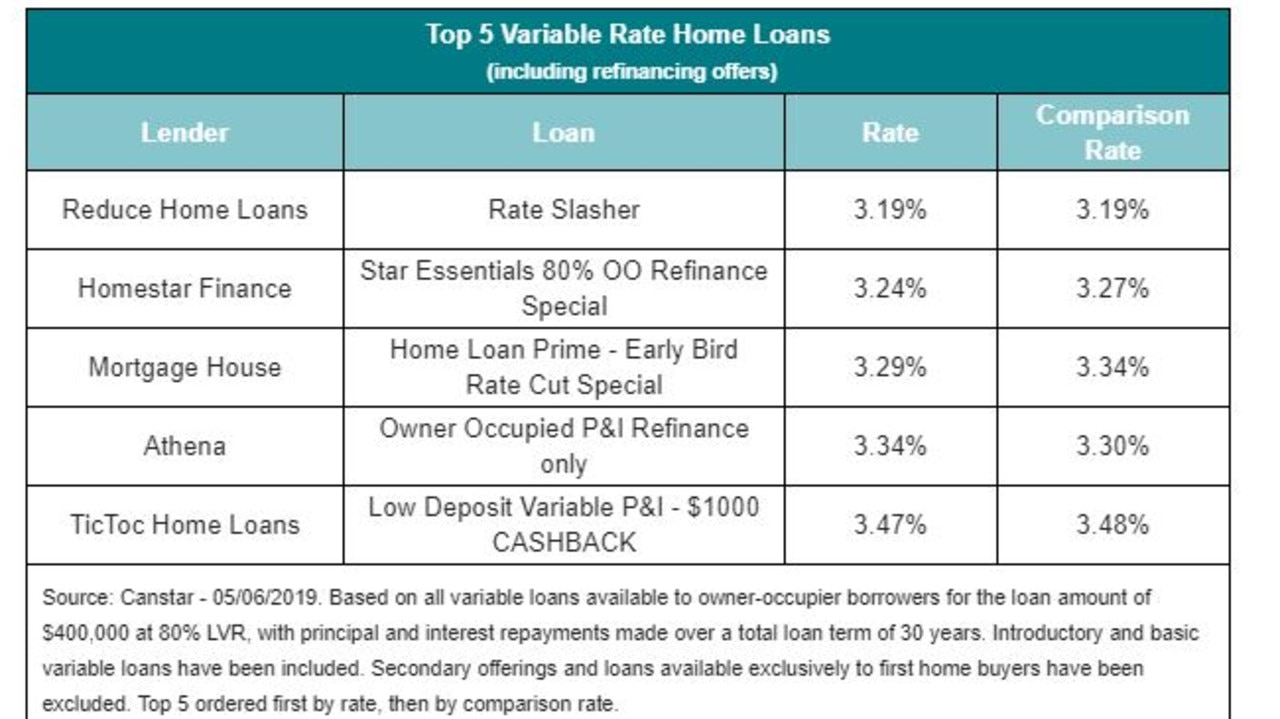
Home loan refinance rates refer to the interest rates that borrowers can obtain when refinancing their existing home loans with a new loan from a different lender. These rates can vary among different banks and financial institutions.
It is essential for borrowers to compare home loan refinance rates among Australia's big four banks - Commonwealth Bank, Westpac, ANZ, and NAB - as well as other lenders. By comparing rates, borrowers can potentially secure a lower interest rate, which can lead to significant savings over the life of the loan.
Significance of Comparing Rates Among Different Banks
- Allows borrowers to find the most competitive interest rates available in the market.
- Enables borrowers to potentially save money on interest payments over the loan term.
- Gives borrowers the opportunity to switch to a more favorable loan product that better suits their financial needs.
- Provides transparency and empowers borrowers to make informed decisions about their finances.
Importance of Staying Informed About Rates
- Interest rates can fluctuate based on economic conditions, so staying informed ensures borrowers are aware of any changes that could affect their loan.
- Regularly comparing rates allows borrowers to take advantage of any opportunities to refinance at a lower rate and potentially reduce their monthly repayments.
- Being informed about rates gives borrowers negotiating power when discussing loan terms with their current lender or when exploring options with other banks.
Big Four Banks in Australia
Australia's banking sector is dominated by four major banks known as the Big Four. These banks play a crucial role in the country's financial system and have a significant impact on the economy. Let's take a closer look at each of these banks and their reputation in the market.Australian and New Zealand Banking Group (ANZ)
ANZ is one of the largest banks in Australia and has a strong presence not only in the domestic market but also in New Zealand and other parts of the Asia-Pacific region. Known for its innovative banking products and services, ANZ caters to a wide range of customers, from individuals to large corporations.Commonwealth Bank of Australia (CBA)
CBA is the largest bank in Australia by market capitalization and is renowned for its extensive branch network and digital banking capabilities. With a history dating back over a century, CBA has established itself as a trusted financial institution that offers a diverse range of financial products to its customers.National Australia Bank (NAB)
NAB is another major player in the Australian banking industry, with a focus on providing banking and financial services to individuals, businesses, and institutions. NAB has a strong presence in the corporate and institutional banking sectors and is known for its commitment to sustainability and community initiatives.Westpac Banking Corporation
Westpac is one of the oldest banks in Australia and has a long-standing reputation for its stability and reliability. The bank offers a comprehensive suite of financial products and services, including home loans, savings accounts, and investment options. Westpac is also actively involved in supporting various social and environmental causes.These Big Four banks collectively hold a significant market share in Australia's banking sector and play a critical role in shaping the country's financial landscape. Their reputation for stability, innovation, and customer service has made them pillars of the Australian economy.Factors to Consider When Comparing Home Loan Refinance Rates
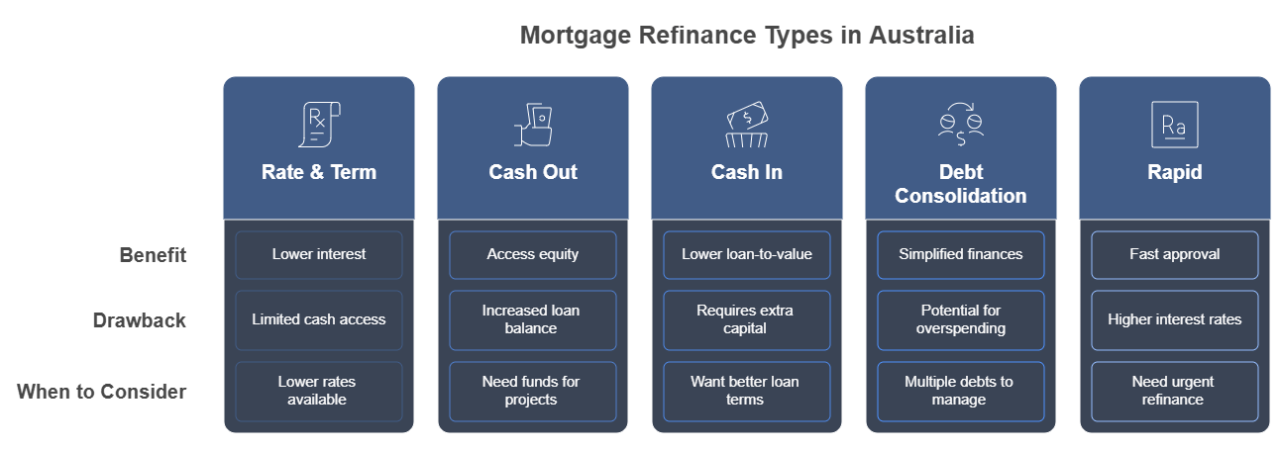 When comparing home loan refinance rates, there are several key factors to consider that can greatly impact the overall cost of a loan. These factors can vary among the Big Four banks in Australia, so it's essential to understand how each factor influences the rates offered.
Interest Rates
Interest rates play a significant role in determining the cost of a home loan refinanceLoan Term
The loan term refers to the length of time over which the loan will be repaid. Generally, a shorter loan term will result in lower interest costs overall, but higher monthly repayments. Some banks may offer different loan terms, so it's important to consider how this can impact the total cost of borrowing.Loan Features and Fees
Different banks may offer various loan features such as offset accounts, redraw facilities, and the ability to make extra repayments. These features can impact the overall cost of the loan and should be considered when comparing refinance rates. Additionally, it's important to be aware of any fees associated with the loan, such as application fees, ongoing fees, or exit fees.Customer Relationship
Some banks may offer discounted rates to existing customers or those with multiple products with the bank. Building a relationship with a bank can sometimes result in better rates or terms, so it's worth considering if loyalty could be beneficial in securing a more competitive refinance rate.Comparison Rates
When comparing home loan refinance rates, it's crucial to look beyond the advertised interest rate and consider the comparison rate. The comparison rate takes into account both the interest rate and any associated fees, providing a more accurate representation of the true cost of the loan.Comparison Methods
When comparing home loan refinance rates among Australia's big four banks, it is essential to design a comprehensive table that includes key factors such as interest rates, fees, loan terms, and any special offers. This table will help you visualize and analyze the data more effectively, enabling you to make an informed decision based on your financial goals and preferences.Comparison Table
Creating a comparison table with the following columns can simplify the process of evaluating refinance rates from different banks:| Bank | Interest Rate | Fees | Loan Terms | Special Offers |
|---|---|---|---|---|
| Bank A | 3.25% | $500 | 25 years | Waived application fee |
| Bank B | 3.15% | $700 | 30 years | Low ongoing fees |
| Bank C | 3.35% | $400 | 20 years | Cashback offer |
| Bank D | 3.10% | $600 | 25 years | Fixed rate option |
It is important to consider not only the interest rates but also the additional fees, loan terms, and any special incentives offered by each bank.
Interpreting and Analyzing Data
When analyzing the data in the comparison table, pay close attention to the overall cost of the loan, including both interest rates and fees. Consider the loan terms and any special offers that may impact your decision. Compare the total amount payable over the loan term to determine which option provides the best value for your financial situation. Additionally, take into account factors such as flexibility in repayments, customer service, and reputation of the bank when making your final decision.Negotiating with Lenders
When it comes to refinancing your home loan, negotiating with lenders can play a crucial role in securing better rates and terms. Here are some tips on how to effectively negotiate for better refinance rates and terms:Importance of Good Credit Score
Having a good credit score is essential when negotiating with lenders for better refinance rates. Lenders often use your credit score to assess your creditworthiness and determine the interest rate they can offer you. A higher credit score typically translates to better rates and terms. To improve your credit score, make sure to pay your bills on time, keep your credit card balances low, and avoid opening new credit accounts before applying for a refinance.Strategies for Leveraging Offers
One effective strategy for negotiating with lenders is to leverage offers from different banks. By shopping around and obtaining multiple refinance offers, you can use these offers as leverage to negotiate better rates with your current lender. Let your current lender know about the competitive offers you've received and see if they can match or beat them. This can help you secure a more favorable refinance deal.Final Conclusion
Concluding with a summary of the key points discussed, this outro paragraph will wrap up the topic in an engaging manner, leaving readers with a clear understanding of how to navigate home loan refinance rates among Australia's Big Four Banks.
FAQ Summary
What factors influence home loan refinance rates?
Factors such as economic conditions, lender policies, and individual credit profiles can impact home loan refinance rates.
Why is it important to have a good credit score when negotiating with lenders?
A good credit score can help borrowers secure better refinance rates as it demonstrates financial responsibility and creditworthiness.
How can borrowers leverage offers from different banks in negotiations?
Borrowers can use competitive offers from different banks to negotiate for better terms and rates, potentially saving money in the long run.